Introduction
In today’s competitive job market, securing a position as a building manager can be both challenging and rewarding. With the real estate and property management sectors continually evolving, aspiring building managers must develop effective strategies to stand out among countless job seekers. This article outlines ten critical strategies for finding building manager job openings, ensuring you are well-prepared and strategically positioned for success in your job search.
Understanding the Building Manager Role
Key Responsibilities of a Building Manager
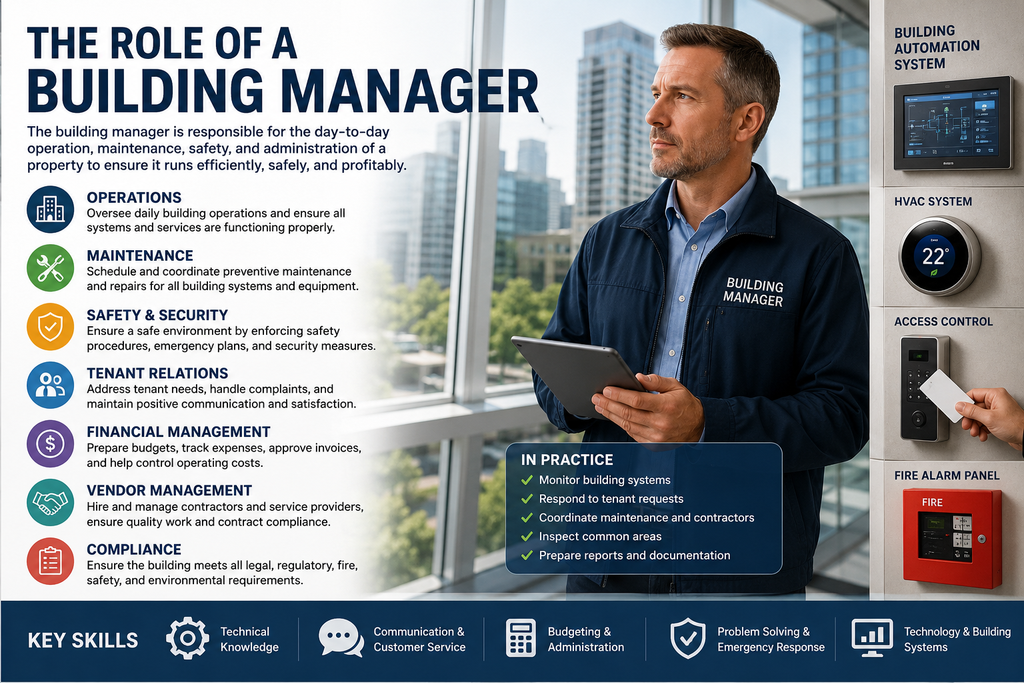
A building manager plays a crucial role in overseeing the daily operations of residential, commercial, or industrial properties. Their responsibilities include maintaining building systems, managing tenant relations, and ensuring compliance with safety regulations. Additionally, building managers handle budgeting, vendor management, and maintenance scheduling to keep properties in optimal condition.
Moreover, effective communication skills are vital, as building managers often serve as the main point of contact for tenants, contractors, and property owners. Handling tenant disputes, coordinating maintenance requests, and providing excellent customer service are all fundamental aspects of the role. Understanding these responsibilities is crucial for job seekers looking to tailor their applications and prepare for the interview process.
Essential Skills for Success
To thrive in the building management field, candidates must possess a blend of technical and interpersonal skills. Key skills include strong organizational abilities, problem-solving capabilities, and financial acumen. Building managers must also be adept in understanding building systems, safety protocols, and local regulations to ensure compliance and address any issues that may arise.
Additionally, leadership and communication skills are paramount, as building managers must effectively lead maintenance teams, negotiate with vendors, and communicate with tenants. A solid understanding of property management software and technology is increasingly important, reflecting the industry’s trend towards digital solutions for operational efficiency.
Networking: The Power of Connections
Building Industry Associations
Networking plays a pivotal role in finding job opportunities in the building management sector. Joining industry associations, such as the International Facility Management Association (IFMA) or the Building Owners and Managers Association (BOMA), provides valuable resources and connections. Membership often includes access to job boards, networking events, and educational resources tailored to building management professionals.
By engaging with these associations, job seekers can expand their professional network, gain insights into industry trends, and connect with potential employers. Attending local chapter meetings or conferences can help foster relationships with industry peers, which may lead to job referrals or insider information about available positions.
Attending Networking Events
In-person networking events provide an excellent opportunity for job seekers to meet professionals in the building management field. These events, ranging from industry conferences to local meetups, allow candidates to showcase their skills, learn about potential employers, and gain insights into the hiring process. Networking can often lead to unadvertised job openings and valuable recommendations.
Preparation is key for these events. Job seekers should bring updated resumes, business cards, and a clear elevator pitch to introduce themselves effectively. Following up with new contacts after the event can reinforce connections and keep job seekers top of mind for future opportunities.
Utilizing Social Media Platforms

Social media has transformed the way job seekers network and find job openings. Platforms like LinkedIn are invaluable for building a professional online presence and connecting with industry professionals. Job seekers should optimize their LinkedIn profiles by highlighting relevant skills, experience, and endorsements from colleagues or supervisors.
Additionally, actively participating in discussions within LinkedIn groups or industry-specific forums can showcase expertise and interest in the field. Sharing insights or engaging with content related to building management can help job seekers establish themselves as knowledgeable professionals, attracting the attention of recruiters and potential employers.
Utilizing Job Boards and Online Resources
Top Job Boards for Building Manager Jobs
Job boards are a primary resource for job seekers. Websites such as Indeed, Glassdoor, and Monster feature numerous listings for building manager positions across various locations. Advanced search filters can help candidates narrow down opportunities based on experience, salary expectations, and preferred work environments.
Additionally, setting up job alerts on these platforms can ensure job seekers receive notifications for new listings that match their criteria. Regularly revisiting these boards is essential, as new opportunities frequently arise in the dynamic real estate and property management sectors.
Specialized Real Estate Job Sites
In addition to general job boards, several specialized job sites focus specifically on real estate and property management positions. Websites like Property Management Jobs and Apartment Careers are tailored for building management roles, offering targeted listings and resources. These platforms often feature insights into industry trends, salary expectations, and employer reviews, which can provide valuable information to job seekers.
Utilizing these specialized sites can enhance the job search experience, making it easier to find relevant openings that match candidates’ skills and interests. Incorporating this approach into a broader job search strategy can yield positive results.
Tailoring Your Resume and Cover Letter
Highlighting Relevant Experience
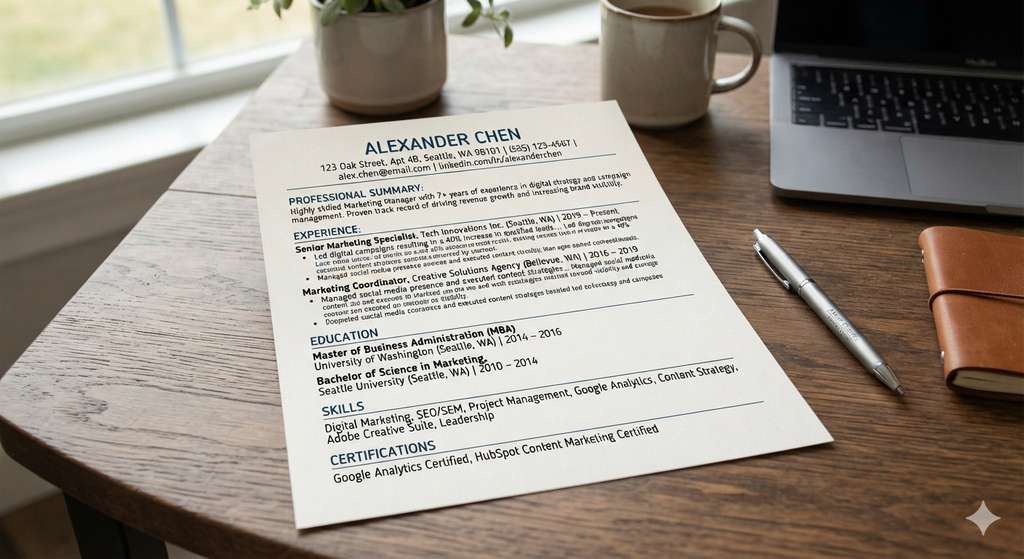
Creating a tailored resume and cover letter is crucial for standing out in a competitive job market. Job seekers should customize their application materials to reflect the specific requirements and responsibilities outlined in the job description. Highlighting relevant experience, skills, and accomplishments related to building management can demonstrate a candidate’s suitability for the role.
Employers appreciate clear, concise resumes that emphasize quantifiable achievements. For instance, detailing how effective management led to reduced operational costs or improved tenant satisfaction ratings can set candidates apart from others. A well-structured resume that aligns with industry standards will also enhance the chances of landing an interview.
Using Keywords Effectively
Incorporating industry-specific keywords into resumes and cover letters is essential for optimizing the chances of passing through applicant tracking systems (ATS). Many employers utilize ATS to filter resumes before they even reach human eyes. Understanding the language and terminology common in the building management sector allows candidates to optimize their resumes effectively.
Job seekers should review job descriptions closely for keywords related to required skills, certifications, and experiences. Including these terms naturally within application materials will aid in getting noticed during the initial selection process and ultimately lead to interview opportunities.
Leveraging Recruitment Agencies
Finding the Right Agency for Building Manager Jobs
Recruitment agencies can be valuable allies in the job search process, particularly for specialized fields such as building management. These agencies often have established relationships with employers and can provide insights into available positions or upcoming opportunities. Job seekers should research and identify agencies that focus on real estate and property management roles, as they will have the most relevant connections.
When working with a recruiter, candidates should be prepared to discuss their career goals, skills, and preferred work environments. By providing comprehensive information, job seekers can ensure that recruiters have a clear understanding of their aspirations and can match them effectively with suitable job openings.
Building Relationships with Recruiters
Building a strong relationship with recruiters can significantly enhance job search success. Regular communication and follow-ups can keep candidates on the radar of recruiters, making it more likely to receive notifications about suitable job openings. Additionally, candidates should be open to feedback and willing to adjust their application strategies based on the recruiter’s insights.
Engaging in a partnership with a recruiter can also lead to valuable insights into industry trends, salary negotiations, and company cultures. By fostering a positive relationship, candidates can leverage the recruiter’s expertise to navigate the job market effectively.
Staying Informed on Industry Trends
Following Industry News and Blogs
Staying updated on industry trends is essential for job seekers in the building management field. Following industry news outlets, blogs, and publications can provide valuable insights into market developments, technological advancements, and evolving best practices. Understanding current trends helps candidates align their skills and experiences with what employers are seeking.
Subscribing to newsletters from organizations like IFMA or BOMA can keep job seekers informed about upcoming events, professional development opportunities, and industry news. Regularly engaging with this information not only enhances knowledge but also provides talking points during interviews, demonstrating a candidate’s commitment to the profession.
Joining Professional Groups and Forums
Joining professional groups and online forums related to building management can foster networking opportunities and provide access to valuable resources. Platforms like LinkedIn, Reddit, or specialized forums allow professionals to share experiences, ask questions, and gain insights from others in the field. Engaging in discussions can enhance visibility within the community and may lead to potential job openings through referrals.
Participating in these groups also allows job seekers to seek guidance or mentorship from experienced professionals. By establishing connections and learning from others, candidates can better navigate their career paths and expand their professional networks.
Preparing for Interviews
Common Questions for Building Manager Roles
Interview preparation is a critical component of the job search process. Familiarizing oneself with common interview questions for building manager positions can enhance confidence and improve performance during interviews. Questions may touch on topics such as problem-solving, team management, safety compliance, and tenant relations. Candidates should prepare thoughtful responses that demonstrate their experience and skills relevant to the role.
Additionally, preparing questions to ask interviewers can demonstrate genuine interest and engagement. Inquiring about company culture, management styles, or opportunities for professional development can provide valuable insights while leaving a positive impression on potential employers.
Showcasing Your Leadership Skills
Leadership is a critical attribute for building managers, and interviews often focus on assessing candidates’ leadership abilities. Job seekers should prepare to share examples of past leadership experiences, such as managing a team, resolving conflicts, or implementing changes that improved property management operations. These anecdotes can highlight a candidate’s capability to oversee a building effectively.
Moreover, demonstrating emotional intelligence and the ability to empathize with tenants and team members can set candidates apart. Employers value leaders who can create a positive work environment and foster strong relationships with all stakeholders involved.
Continuing Education and Certifications
Relevant Certifications for Building Managers
Continuing education and obtaining relevant certifications can significantly enhance a job seeker’s qualifications. Certifications such as the Certified Property Manager (CPM) or the Facilities Management Professional (FMP) demonstrate a commitment to professional development and proficiency in building management. These credentials often make candidates more attractive to employers and can lead to better job prospects.
Additionally, staying current with industry trends and best practices through ongoing education can help candidates remain competitive. Participating in workshops, webinars, or conferences can provide valuable knowledge while expanding professional networks.
Online Courses and Workshops
With the rise of online learning platforms, job seekers can access a wealth of educational resources to enhance their skills. Platforms like Coursera, Udemy, or LinkedIn Learning offer courses specific to building management, including property maintenance, budgeting, and tenant relations. These courses can equip candidates with the knowledge needed to excel in their roles and further their careers.
Incorporating these educational opportunities into a job search strategy can demonstrate a proactive approach to professional development, which many employers value highly. Furthermore, showcasing completed courses on resumes can enhance a candidate’s profile and make them more appealing to potential employers.
Considering Alternative Job Search Strategies
Cold Outreach to Potential Employers
While applying through job boards is common, cold outreach to potential employers can yield unexpected opportunities. Job seekers should identify companies they admire or wish to work for and reach out via email or LinkedIn. Expressing interest in their organization and inquiring about potential openings can open doors to positions that may not be publicly advertised.
When reaching out, candidates should craft personalized messages that highlight their relevant skills and why they are attracted to the company. A well-written outreach can catch the attention of hiring managers and demonstrate genuine interest in the organization.
Volunteering or Interning in Related Fields
For job seekers who may struggle to land a full-time position, volunteering or interning in related fields can provide invaluable experience and connections. Many property management firms or non-profit organizations seek volunteers for various tasks, allowing candidates to gain practical experience while expanding their networks. This hands-on experience can enhance resumes and make candidates more competitive when applying for building manager roles.
Internships, even if unpaid, can lead to paid opportunities down the line. Employers often prefer candidates who have demonstrated a commitment to the field through relevant experience, and internships can be a great way to gain industry knowledge and establish professional relationships.
Conclusion
In conclusion, securing a building manager position requires a multifaceted approach encompassing networking, optimizing application materials, staying informed on industry trends, and leveraging available resources. By following the strategies outlined in this article, job seekers can enhance their prospects in a competitive market and effectively position themselves for success.
Whether through networking events, specialized job boards, or ongoing education, candidates should remain proactive in their job search to maximize opportunities. With determination and the right strategies, aspiring building managers can find rewarding career opportunities in this dynamic industry.
Frequently Asked Questions
What qualifications do I need to become a building manager?
Typically, a high school diploma is the minimum requirement, but many employers prefer candidates with a bachelor’s degree in business, real estate, or a related field. Additionally, obtaining certifications such as Certified Property Manager (CPM) can enhance your credentials.
How can I gain experience in building management?
Gaining experience can be achieved through internships, volunteering, or entry-level positions in property management firms. These opportunities allow you to learn essential skills and build professional relationships within the industry.
What are common challenges faced by building managers?
Common challenges include managing tenant relationships, handling maintenance issues, ensuring compliance with regulations, and juggling multiple responsibilities effectively. Strong organizational and communication skills are essential to navigate these challenges.
How can networking help in my job search?
Networking can lead to job referrals, insider information about job openings, and mentorship opportunities. Engaging with industry professionals can significantly enhance your chances of finding suitable positions.
Why is continuing education important for building managers?
Continued education helps building managers stay updated on industry trends, regulations, and best practices. It demonstrates commitment to professional growth and can enhance employability in a competitive job market.
Leave a Reply